Every year, dozens of workers suffer serious injuries—or worse—because machinery unexpectedly starts up during maintenance. A conveyor belt kicks on. A press lowers without warning. A hydraulic system releases stored pressure. These aren’t rare anomalies—they’re preventable tragedies, and the root cause often traces back to one failure: the absence or improper use of lockout tagout (LOTO) safety procedures.
Lockout tagout safety is not just a set of steps on paper. It’s a critical system designed to isolate hazardous energy sources and prevent accidental startup of equipment during servicing or repair. When applied correctly, LOTO saves lives. When ignored or improvised, it becomes a liability.
Despite widespread awareness, real-world compliance remains inconsistent. Workers bypass procedures under time pressure. Supervisors assume training is complete after one session. Companies treat lockout tagout as a compliance checkbox rather than a living safety culture. The result? Violations, injuries, and avoidable downtime.
This article breaks down what lockout tagout safety truly means, how it works, where organizations fail, and what you can do—practically, immediately—to strengthen your energy control program.
The Core Principles of Lockout Tagout Safety
At its heart, lockout tagout safety follows a simple principle: control all hazardous energy sources before anyone works on equipment. That means more than just flipping a switch. It involves a disciplined sequence to shut down, isolate, lock, tag, and verify that machinery cannot start up.
The process hinges on two key components:
- Lockout: Applying a physical lock to an energy-isolating device, such as a circuit breaker, valve, or disconnect switch.
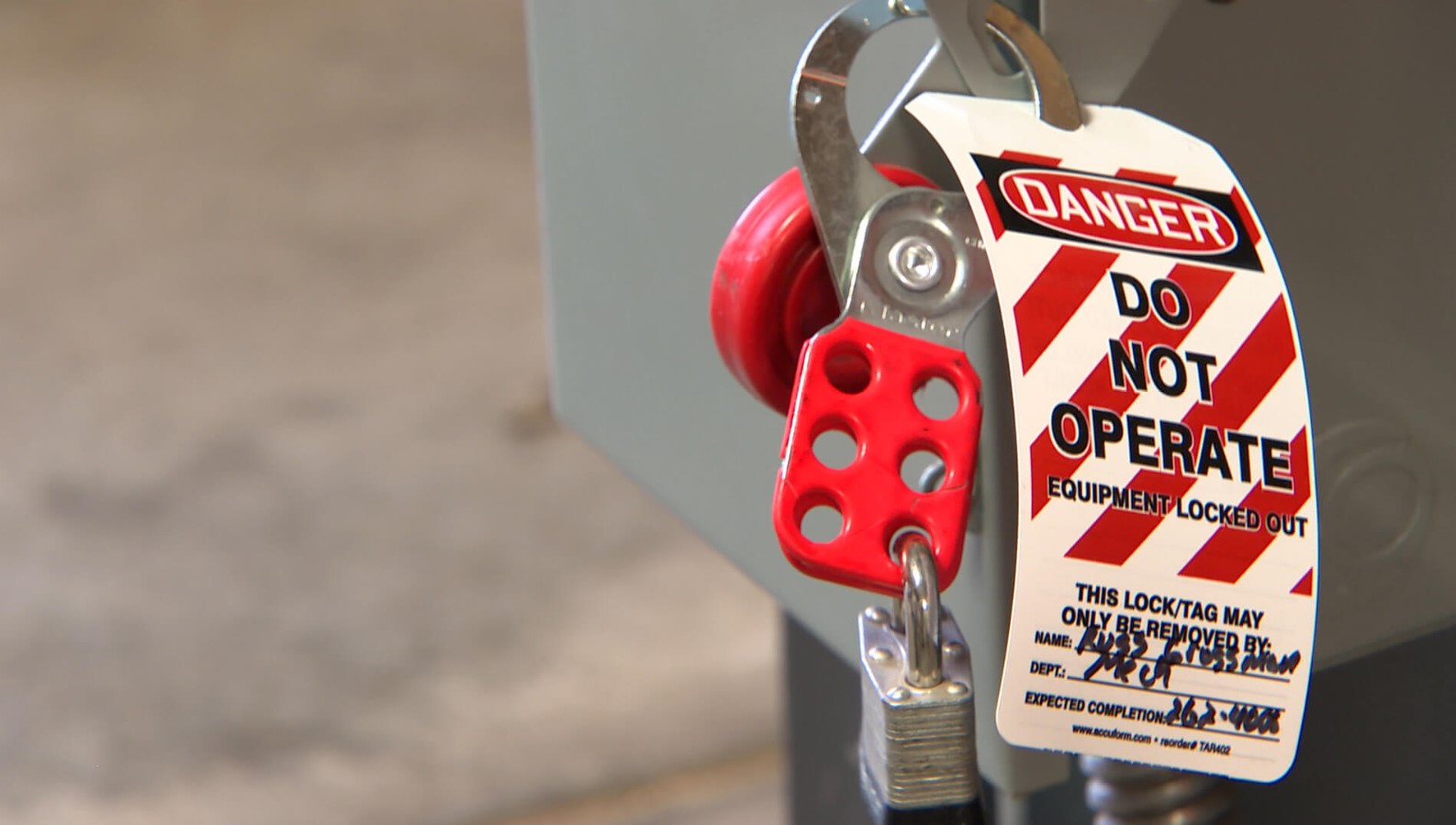
- Tagout: Attaching a warning tag that identifies the worker, the reason for the lockout, and the date.
While tagout alone doesn’t provide the same level of protection as lockout, it serves as a visual warning when physical locking isn’t feasible—though OSHA requires additional safety measures in such cases.
Energy sources aren’t limited to electricity. Effective LOTO programs account for: - Electrical - Mechanical - Hydraulic - Pneumatic - Chemical - Thermal - Gravitational
A failure to isolate any one of these can lead to catastrophic outcomes. For example, a mechanic servicing a robotic arm might shut off the power, but if residual hydraulic pressure isn’t bled, a sudden movement could crush limbs. LOTO exists to prevent these oversights.
Why Lockout Tagout Procedures Are Legally Required
In the United States, OSHA’s Control of Hazardous Energy standard (29 CFR 1910.147) mandates lockout tagout practices across general industry. Non-compliance isn’t just dangerous—it’s expensive.
Penalties for LOTO violations regularly rank among OSHA’s top citations. A single missing lock or improperly trained employee can trigger fines exceeding $15,000 per violation. Multiple deficiencies compound quickly.
But legal obligation is only part of the story. LOTO compliance protects more than your bottom line. It protects people. OSHA estimates that proper lockout tagout practices prevent at least 120 fatalities and 50,000 injuries annually.
The law sets minimum requirements: - A written energy control program - Specific procedures for each machine or piece of equipment - Employee training (authorized and affected workers) - Periodic inspections (at least annually) - Use of approved lockout devices
However, meeting the bare minimum isn’t enough. Strong safety cultures go beyond compliance—they build systems that are intuitive, reinforced, and resilient to human error.
Common Lockout Tagout Failures and How to Fix Them
Even companies with LOTO programs make mistakes. Some are procedural, others cultural. Recognizing these failures is the first step toward fixing them.
1. Using the Same Lock for Multiple Employees A team of three technicians works on a press. One applies a lock, the others assume it’s covered. If the first worker removes their lock and restarts the machine, the others are in danger.
Solution: Enforce one lock per person. Use group lockout boxes where each worker applies their own lock to a central hasp.
2. Incomplete Energy Isolation A technician locks the main power switch but forgets the hydraulic accumulator still holds pressurized fluid.
Solution: Develop machine-specific procedures that list all energy sources and required isolation steps.
3. Improper or Missing Verification
After locking out, the worker fails to test the machine by trying to start it.
Solution: Make “verify isolation” a non-negotiable step. Try to start the machine with the lock in place—nothing should happen.
4. Tag-Only Procedures Without Extra Protections
Using tags instead of locks without secondary measures like blockades or bleed-down verification.
Solution: Reserve tagout for situations where lockout isn’t possible. When used, supplement with additional safeguards.
5. Poor Training and Knowledge Gaps New employees receive a 10-minute walkthrough instead of full LOTO training.
Solution: Train both authorized employees (who perform LOTO) and affected employees (who operate equipment). Re-train every three years or after procedure changes.
Real-world example: A food processing plant had a written LOTO program but rarely enforced it. During a cleaning shift, a worker entered a mixer while another restarted it remotely. The result: a fatality. Investigation found that locks were available—but not used. Culture failed where policy existed.
Building a Practical Lockout Tagout Program
A strong LOTO program isn’t built overnight. It combines documentation, hardware, training, and accountability.
Step 1: Conduct an Energy Audit Walk through every machine. Identify every form of hazardous energy. Note isolation points—disconnects, valves, bleed ports.
Step 2: Develop Machine-Specific Procedures Generic checklists won’t suffice. Each procedure should include: - Equipment name and ID - Energy sources to isolate - Steps to shut down and isolate - Type and location of locks/tags - Verification method - Who approves re-energization
Example: A CNC lathe procedure might require shutting off main power, locking the disconnect, engaging the emergency stop, and verifying no movement when start is pressed.
Step 3: Procure Reliable Lockout Devices Use only durable, standardized equipment:
- Lockout hasps
- Valve locks
- Circuit breaker locks
- Cable locks
- Group lockout stations
Avoid makeshift solutions like duct tape or zip ties. They defeat the purpose.

Step 4: Train and Re-Train Initial training isn’t enough. Conduct annual inspections where an auditor watches an employee perform LOTO and corrects errors in real time.
Step 5: Audit and Improve Review your program annually. Interview workers. Check lock usage. Update procedures when equipment changes.
Real-World Applications: LOTO in Different Industries LOTO isn’t one-size-fits-all. Different environments present unique challenges.
Manufacturing High-mix production lines with frequent changeovers increase risk. Lockout must be fast but thorough. Use color-coded locks by department and standardized templates for common machine types.
Construction Mobile equipment and temporary setups complicate lockout. Emphasize tagout with verification and supervisor oversight. Store portable lockout kits in service vehicles.
Healthcare MRI machines, sterilizers, and lab centrifuges all require LOTO. Biomedical technicians must follow procedures despite time pressures.
Utilities High-voltage systems and confined spaces demand rigorous protocols. Energy isolation may involve multiple departments and coordination with grid operators.
In each case, the core principles remain—shut down, isolate, lock, tag, verify—but implementation varies.
Tools and Equipment for Effective Lockout Tagout
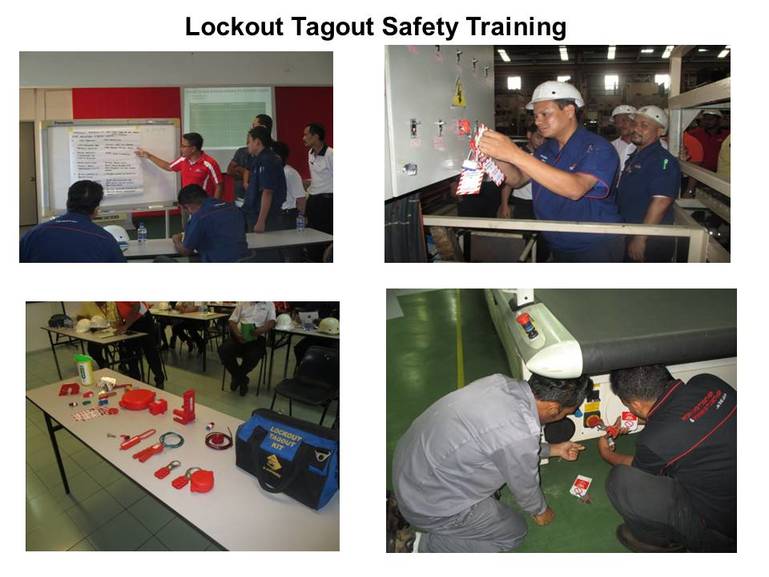
The right hardware makes compliance easier and safer. Here are five essential tools used in professional LOTO programs:
| Tool | Purpose | Best Use Case |
|---|---|---|
| Padlocks with Unique Keys | Personal control of isolation points | Each worker uses their own lock |
| Valve Lockouts | Prevent accidental opening of gas or fluid lines | Piping systems, chemical plants |
| Circuit Breaker Locks | Secure electrical disconnects | Control panels, machinery power |
| Group Lockout Stations | Central point for team lock application | Multi-person maintenance tasks |
| Lockout Hasps | Allow multiple locks on one isolation point | Shared disconnects or valves |
Additionally, consider investing in: - Lockout kits for mobile teams - Tagout tags with durable, weather-resistant materials - Training simulators to practice LOTO without risk
These tools reduce ambiguity and streamline compliance.
The Human Factor in Lockout Tagout Safety
Equipment fails less often than people do. Complacency, time pressure, and unclear roles undermine even the best LOTO programs.
A maintenance worker skips verification because “it’s just a quick fix.” A supervisor overrides a lock to meet a deadline. A new hire doesn’t know where the lockout cabinet is.
Culture shapes behavior. To change behavior, focus on: - Leadership visibility: When managers follow LOTO, others do too. - Peer accountability: Encourage workers to remind each other. - Simplified access: Store locks and tags near equipment. - Recognition: Reward safe behavior, not speed.
One manufacturing plant reduced LOTO deviations by 80% simply by placing shadow boards for lockout kits next to each production line—making compliance the easiest choice.
Conclusion: Make Lockout Tagout a Non-Negotiable Standard
Lockout tagout safety isn’t a one-time project. It’s an ongoing discipline. The best programs treat LOTO not as a regulatory burden, but as a core value—like wearing a seatbelt or checking mirrors before reversing.
Start by auditing your current practices. Are procedures machine-specific? Are locks used every time? Are employees trained and confident?
Then act. Fix gaps. Empower workers. Inspect consistently.
Because when a machine powers on unexpectedly, there’s no second chance. Every lock applied, every tag read, every verification step followed—it all adds up to one thing: someone going home safe.
Make that the standard.
Frequently Asked Questions
What is the main purpose of lockout tagout safety? The main purpose is to prevent the unexpected startup of machinery or the release of hazardous energy during maintenance, protecting workers from serious injury.
Who is responsible for applying lockout tagout devices? Authorized employees—those trained to implement energy control procedures—are responsible for applying locks and tags.
Can tagout be used instead of lockout? Yes, but only when lockout is not feasible. Tagout must be supplemented with additional safety measures since tags can be ignored or removed.
How often should lockout tagout procedures be reviewed? OSHA requires that each energy control procedure be inspected at least annually, with a certified auditor observing a representative employee perform the LOTO process.
What types of energy must be controlled during lockout tagout? All hazardous energy sources, including electrical, mechanical, hydraulic, pneumatic, chemical, thermal, and gravitational.
Do all employees need lockout tagout training? No, but two groups do: authorized employees (who perform LOTO) and affected employees (who operate or use equipment). Training differs by role.
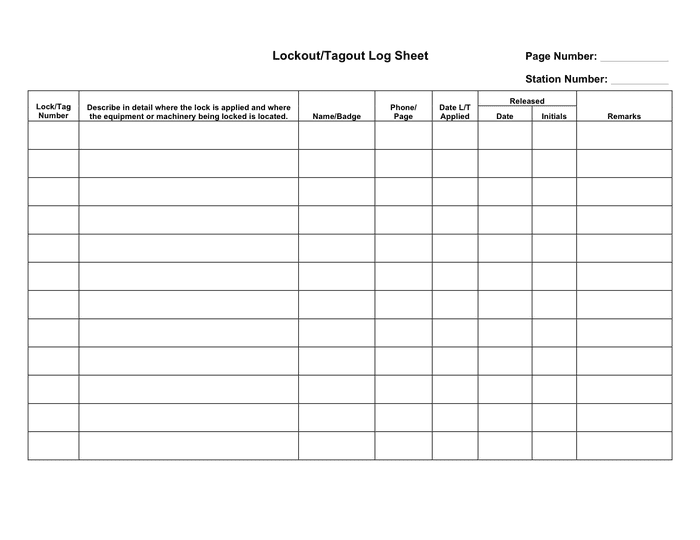
What should a lockout tag include? The tag should identify the worker’s name, department, date, reason for lockout, and contact information. It should be clear, durable, and tamper-resistant.
FAQ
What should you look for in What Is Lockout Tagout Safety and Why It Matters? Focus on relevance, practical value, and how well the solution matches real user intent.
Is What Is Lockout Tagout Safety and Why It Matters suitable for beginners? That depends on the workflow, but a clear step-by-step approach usually makes it easier to start.
How do you compare options around What Is Lockout Tagout Safety and Why It Matters? Compare features, trust signals, limitations, pricing, and ease of implementation.
What mistakes should you avoid? Avoid generic choices, weak validation, and decisions based only on marketing claims.
What is the next best step? Shortlist the most relevant options, validate them quickly, and refine from real-world results.