:max_bytes(150000):strip_icc():focal(801x261:803x263)/Matthew-Lillard-paramount-event-102425-a13882f0fc524685bbb840985e4e9563.jpg)
Hollywood doesn’t forget — it recycles. And Matthew Lillard knows exactly why he’s still getting calls.
While many of his 1990s peers faded into obscurity or shifted behind the camera, Lillard has remained steadily in the public eye — not because of relentless reinvention or Oscar bids, but because audiences keep wanting to remember. In his own words, it’s nostalgia that’s keeping him booked and relevant. From Scream to Scooby-Doo, Lillard’s career is a case study in how cultural memory powers second (and third) acts in Hollywood.
This isn’t about reinvention. It’s about resonance.
The Nostalgia Engine: What Lillard Understands Better Than
Most
Lillard didn’t just ride the wave of 1990s pop culture — he became part of its DNA. His portrayal of Stu Macher in Scream (1996) wasn’t just a breakout role; it was a time capsule. The film fused horror with meta-commentary, and Lillard’s chaotic energy as the unhinged party boy made him unforgettable. Then came Shaggy in the live-action Scooby-Doo films — a role so absurdly committed it looped back into brilliance.
In interviews, Lillard has been candid: “They’re not hiring me because I’m the greatest actor of my generation. They’re hiring me because people remember. They feel something.”
That “something” is nostalgia — a psychological force studios now treat like box office currency.
Nostalgia isn’t just sentiment; it’s a strategy. Studios bank on emotional connections formed in childhood or adolescence because they translate into box office returns, streaming engagement, and viral social moments. Lillard, with his two iconic roles rooted in shared cultural moments, fits perfectly into that model.
Why Nostalgia Works — And Why Lillard Is Its Poster Child
Nostalgia-driven casting isn’t random. It’s calculated. Studies show that familiar faces from beloved properties trigger positive emotional responses, increasing audience trust and willingness to engage. That’s why Stranger Things mined 1980s aesthetics, or why Top Gun: Maverick brought back Tom Cruise decades later.
Matthew Lillard benefits from a rare dual legacy:
- Stu Macher — a villain audiences love to hate
- Shaggy — a comedic icon recognized across generations
Few actors straddle both horror and family comedy so effectively. That duality amplifies his nostalgic value.
When Scream (2022) and Scream VI (2023) rebooted the franchise, bringing back original cast members wasn’t just a nod to fans — it was essential branding. Lillard’s return, even in a limited capacity, served as an emotional anchor. His presence signaled: This is still the same world. The rules still apply.
Similarly, his voice work as Shaggy in animated Scooby-Doo content keeps him in rotation without requiring physical reinvention. Nostalgia doesn’t demand youth — it demands recognition.
Hollywood’s Nostalgia Cycle: How
It Fuels Careers Like Lillard’s
The entertainment industry runs on revival. Every 10–15 years, a wave of 80s, 90s, or early 2000s IP gets dusted off and reimagined. This isn’t laziness — it’s economics.
Franchises with built-in audiences reduce marketing risk. And actors tied to those franchises become low-risk casting choices.
Lillard isn’t alone. Consider:
- Neve Campbell returning to Scream
- Freddie Prinze Jr. reappearing in I Know What You Did Last Summer series
- Tiffani Thiessen reviving Saved by the Bell for Peacock
But Lillard stands out because he doesn’t resist it. While some actors distance themselves from their “nostalgia roles,” Lillard leans in — often with humor and humility.
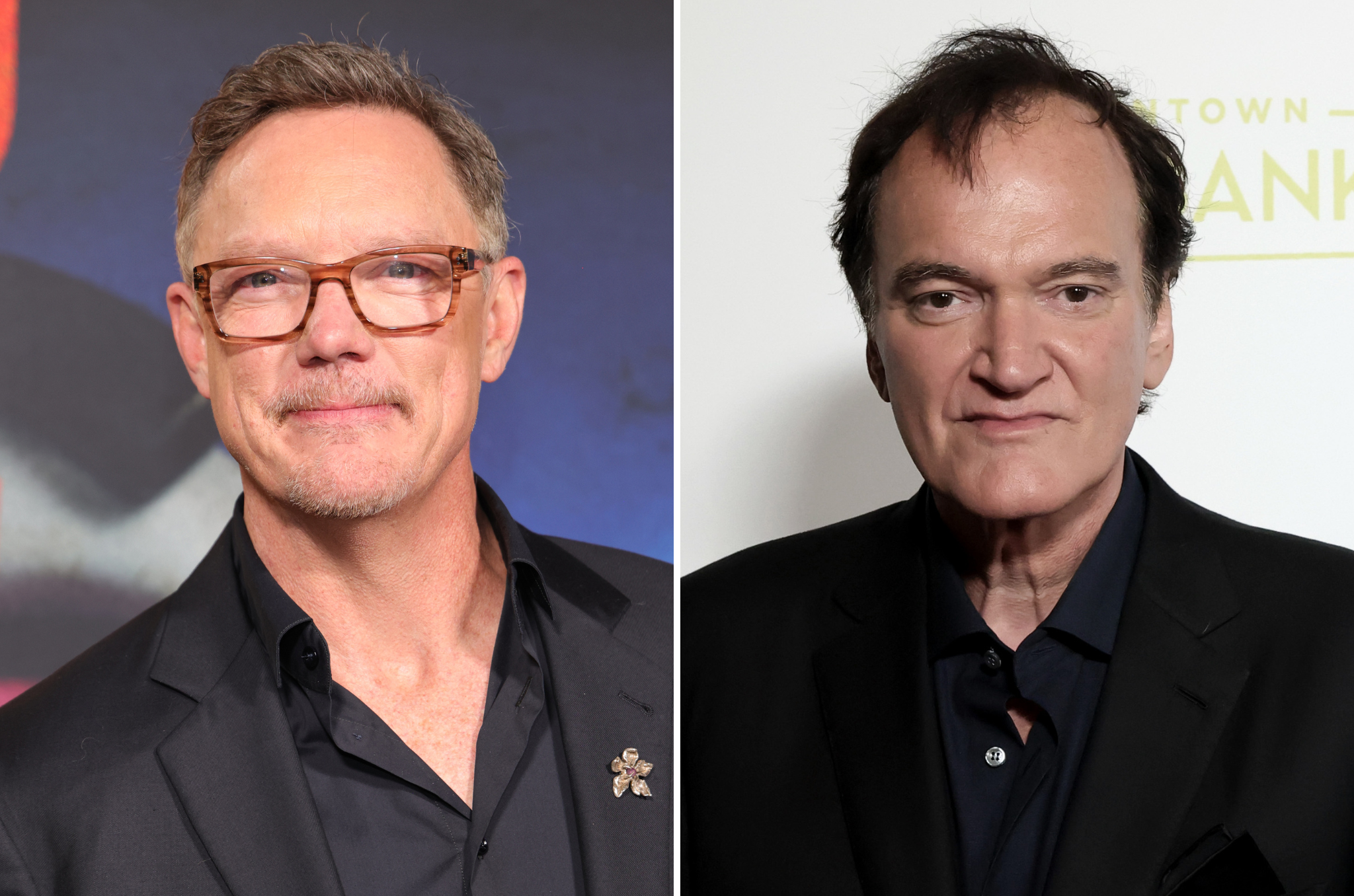
In a 2023 interview, he said: “If people want me to be Stu or Shaggy, I’ll be Stu or Shaggy. I’m not too proud to cash that check. And honestly? I love those characters. They gave me everything.”
That authenticity makes him more marketable, not less.
The Limits of Nostalgia — And Where Lillard Stands
Nostalgia can open doors, but it can also trap actors in typecasting purgatory.
Lillard’s post-Scream career in the early 2000s included a string of underperforming films and TV roles that struggled to gain traction. Without a Compass, The Descendants, and God Bless America showcased range, but mainstream audiences kept calling for Shaggy.
The danger? Becoming a caricature of your younger self.
Yet Lillard adapted. He embraced voice acting, theater, and indie projects that let him stretch creatively while still cashing in on his nostalgic equity. His performance in the video game Soulfrost and as Billy in The Crew (2021) demonstrated range beyond the manic energy he’s known for.
But let’s be clear: his big breaks still come from nostalgia.
The 2022 Scream sequel didn’t greenlight because of Lillard’s indie film resume. It happened because fans wanted to see Dewey, Gale, and — yes — Stu’s legacy addressed. Nostalgia created the opportunity. His professionalism ensured he was invited back.
Beyond the Cameo: How Nostalgia Roles Can Evolve
Studios are learning that nostalgia works best when it’s not just a shallow callback. It needs purpose.
In Scream VI, Lillard’s brief appearance wasn’t just a cameo — it advanced the plot and deepened the lore. His character’s history with Gale Weathers added emotional weight. This is how nostalgia evolves: not as a gimmick, but as narrative leverage.
Lillard’s ability to deliver both comedic and dramatic nuance makes him valuable in these moments. He’s not just showing up — he’s serving the story.
Compare this to actors who phone in nostalgic returns (cough Paris Hilton in Scream 3) — the difference is palpable. Audiences can spot insincerity. Lillard, even in a five-minute scene, gives commitment.
This balance — honoring the past while serving the present — is where nostalgic casting succeeds. And Lillard has become a quiet master of it.
The Business of Being Remembered: What Studios Gain
From a studio perspective, hiring Matthew Lillard isn’t just about casting. It’s about marketing.
His name in the credits triggers social media buzz. Fans screenshot his scenes. Memes resurface. TikTok edits of Shaggy saying “Like, zoinks!” or Stu laughing maniacally flood timelines.
This organic engagement is gold in an age of oversaturated content.
Consider the Scooby-Doo franchise. Warner Bros. has rebooted it more times than anyone can count. But every time they lean into Lillard’s portrayal — whether through direct casting or Easter eggs — engagement spikes.
Nostalgia lowers audience acquisition cost.
And unlike A-list stars who command $20M salaries, Lillard represents high impact for relatively low investment. He’s not a leading man by today’s metrics, but he’s a cultural signifier — and that’s often more valuable.
Real Talk: Can Nostalgia Sustain a Career Long-Term?
Yes — but with caveats.
Nostalgia can extend a career, but it won’t rebuild one without effort. Lillard’s sustained presence isn’t just luck. It’s due to:
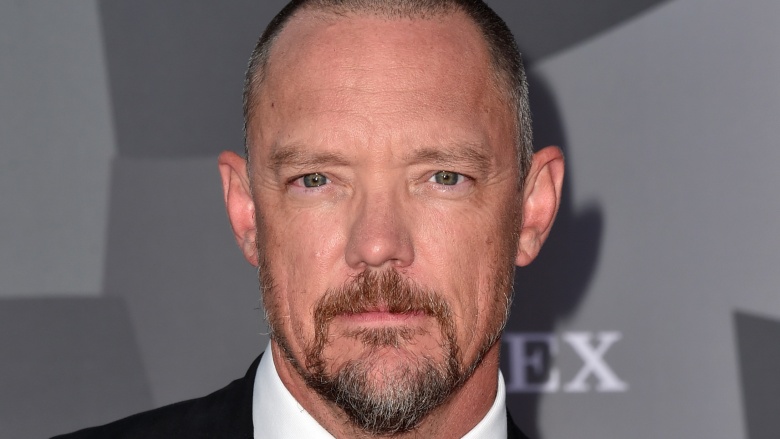
- Strategic role selection – He picks projects that either leverage nostalgia or allow creative growth.
- Embracing multiple mediums – From film to voice acting to theater, he stays active.
- Public persona – He’s approachable, funny, and fan-friendly, making him a favorite at conventions and interviews.
But the clock ticks. Nostalgia fades as generations shift.
The kids who loved Scooby-Doo (2002) are now in their 30s. Their kids may not know Shaggy beyond the animated version. The Scream franchise must keep evolving to stay relevant.
Lillard’s window isn’t infinite — but it’s wide open now.
And he’s using it wisely.
What Other Actors Can Learn From Lillard’s Approach
Many actors resist being tied to one role. They want to be “taken seriously.” But Lillard’s career proves that leaning into nostalgia doesn’t diminish artistry — it amplifies reach.
Key takeaways:
- Don’t fight recognition – If audiences love a role, use it as a platform, not a prison.
- Stay adaptable – Lillard shifted to voice work, indies, and TV when film roles dried up.
- Be present – He shows up at fan events, engages on social media, and speaks candidly in interviews.
- Balance irony with sincerity – He jokes about Shaggy but also defends the role’s importance.
Compare this to actors who disown past work and wonder why fans drift away. Lillard’s humility and humor make him likable — and that’s a career asset no method acting class can teach.
Closing: Nostalgia Isn’t a Crutch — It’s a Lever
Matthew Lillard isn’t pretending he’s being cast for his transformative range. He’s honest: nostalgia is why Hollywood keeps calling.
But that doesn’t make his work any less valid. In an industry obsessed with youth and reinvention, he’s proven that memory, emotion, and cultural impact matter.
He’s not just surviving on past glory — he’s using it to stay creatively active, financially stable, and publicly engaged.
For actors watching their heyday fade, Lillard’s path offers a blueprint: embrace what people love, evolve where you can, and never underestimate the power of being remembered.
If you’re in the room because people miss you — that’s not failure. That’s connection.
And in Hollywood, connection is everything.
FAQ
Why does Matthew Lillard think nostalgia keeps him working? He’s openly said that studios hire him because audiences remember and feel connected to his iconic roles like Stu in Scream and Shaggy in Scooby-Doo — not necessarily for his dramatic range.
Has Matthew Lillard been in recent movies? Yes — he reprised his connection to the Scream franchise in Scream (2022) and Scream VI (2023), and continues voice work as Shaggy in various Scooby-Doo animated projects.
Is Matthew Lillard still acting regularly? He maintains a steady presence in both film and voice acting, often cycling between nostalgic returns and independent projects.
What’s Matthew Lillard’s most iconic role? Most fans point to Stu Macher in Scream (1996) and Shaggy in the 2002 Scooby-Doo films as his defining performances.
Does Matthew Lillard regret playing Shaggy? No — he’s expressed pride in the role and appreciation for how it’s kept him relevant, especially with younger audiences through voice work.
How has nostalgia changed Hollywood casting? Studios increasingly bring back 90s and early 2000s actors to reduce risk, spark fan engagement, and leverage emotional connections from the past.
Can nostalgia alone sustain an acting career? Not forever — but when paired with adaptability and smart role choices, like Lillard demonstrates, it can extend a career for decades.
FAQ
What should you look for in Matthew Lillard Says Nostalgia Is Why Hollywood Keeps Hiring Him? Focus on relevance, practical value, and how well the solution matches real user intent.
Is Matthew Lillard Says Nostalgia Is Why Hollywood Keeps Hiring Him suitable for beginners? That depends on the workflow, but a clear step-by-step approach usually makes it easier to start.
How do you compare options around Matthew Lillard Says Nostalgia Is Why Hollywood Keeps Hiring Him? Compare features, trust signals, limitations, pricing, and ease of implementation.
What mistakes should you avoid? Avoid generic choices, weak validation, and decisions based only on marketing claims.
What is the next best step? Shortlist the most relevant options, validate them quickly, and refine from real-world results.